Private Schools
Private schools abroad offer a more flexible approach to the learning process. And often place emphasis not only on academic results. But also on developing the child's interests. Depending on the country and the specific school, students may have access to smaller classes, additional subjects, sports clubs, creative fields, and modern educational programs.
For international families, a private school can be an option if a certain curriculum, an international environment, or additional opportunities for preparing for university admission are important.
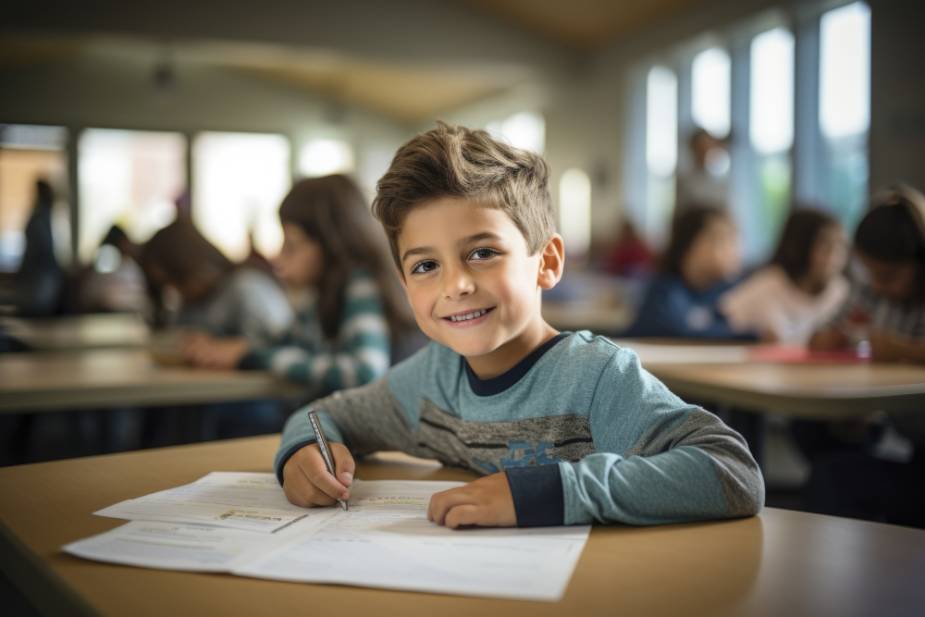
How Education Is Organized
Private schools shape many features of the educational process themselves. While complying with the requirements of national legislation. That's why programs at different schools can differ noticeably.
Some schools follow a national curriculum. Others offer international programs — for example, the British or American education system. When choosing, it's important to look in advance at what subjects the child will study. How assessment works. And what document of education they receive after finishing school.
Smaller Classes and an Individual Approach
At many private schools, classes are smaller than at large public ones. This allows teachers to give more attention to each student. And to notice difficulties in learning more quickly.
Additional support may include teacher consultations, language classes, help with individual subjects, or a personalized learning plan. The specific options depend on the school.
An International Environment
Many private schools accept students from different countries. For a child, this is an opportunity to communicate daily with peers who have different cultural and linguistic backgrounds.
Such an environment helps develop a foreign language. And get used to international communication. In addition, students can take part in international projects, sports competitions, trips, and cultural events.
What Programs Private Schools Offer
Depending on the country and the school, you may encounter different educational formats:
- National programs — education according to the educational standards of a specific country;
- British programs — for example, preparation for GCSE and A-Level;
- The American system — education according to the American school curriculum with the option of preparing for further university admission;
- International programs — education systems with unified standards and an emphasis on independent learning;
- Mixed programs — a combination of a national system with international subjects and approaches.
The choice of program is especially important for a high school student. Since it can influence their further university admission options.
What Beyond Academics
School life at private schools usually isn't limited to lessons. Students can take part in sports, music, theater, art, robotics, and other fields.
Schools also organize clubs, excursions, project weeks, competitions, and other events. Such activities help a child try different fields. And figure out what genuinely interests them.
Private School with Accommodation
For international students, both day schools, where the child lives with a family, and boarding schools with accommodation on the school grounds or in a school residence are available.
Boarding can be convenient for families who are moving to another country. Or can't be constantly near the child. At the same time, it's important to find out in advance how accommodation, meals, supervision of students, and holidays are organized.
What to Pay Attention to When Choosing
The cost of education is only one criterion. Before enrolling, it's worth comparing:
- the educational program;
- the language of instruction;
- age and admission requirements;
- class size;
- the availability of support for international students;
- living conditions;
- extracurricular activities and clubs;
- the school's location;
- the cost of education and accommodation;
- the results of graduates and further educational opportunities.
It's also important to find out in advance what documents are needed for admission. And whether the child will need to confirm their language level.
Who a Private School Suits
A private school may suit a child for whom a certain educational program, additional opportunities for development, and a broader choice of academic tracks are important.
For international families, schools with experience working with students from other countries are especially interesting. And programs to support adaptation. At the same time, it's better to make the choice not just based on the school's fame. But taking into account the child's age, character, language level, and plans for further education.
Edunation's specialists will help you find private schools in different countries. And compare programs, admission conditions, cost, and accommodation options. This allows you to evaluate several suitable options in advance. And choose the format that matches the family's educational goals.