Admission to South Korea
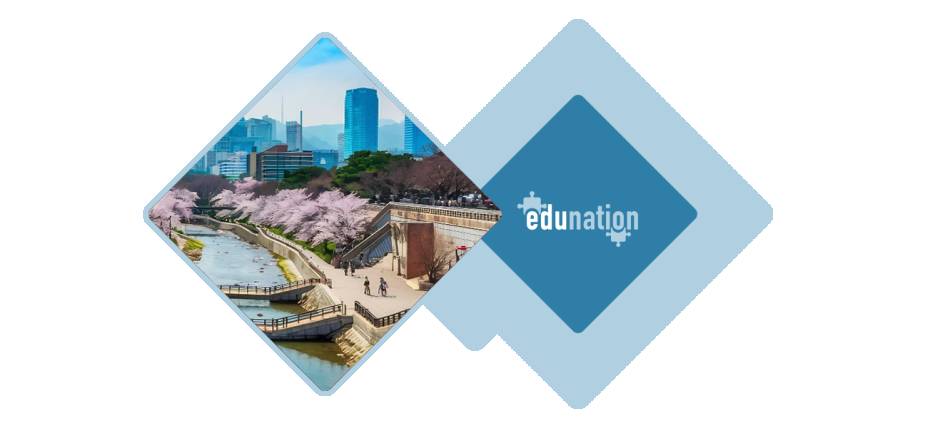
South Korea is a fast-growing choice: cutting-edge technology, leading IT and engineering programmes, and affordable tuition.
Visa types
D-2 — for Bachelor's, Master's and doctoral programmes. D-4-1 — for language courses.
Language requirements
For Korean-taught programmes — TOPIK 3–4 (Bachelor's) or TOPIK 4+ (Master's). For English-taught programmes — IELTS 5.5–6.0 or TOEFL 71+.
Academic requirements and documents
For a Bachelor's — a school certificate (12 years of education); for a Master's — a Bachelor's degree. Documents needed: passport, diplomas with translation, language certificate, statement of purpose, references and proof of funds.
Financial requirements
For the D-2 visa you must prove you can support yourself, with the funds held in your account.
Admission
Applications go directly to the university or through an online system. Spring semester (March) — deadline by September–November; autumn semester (September) — by April–June. Creative subjects require a portfolio and possibly an interview.
Getting the visa
Receive an offer from the university, apply for the visa at the embassy in person, and submit a tuberculosis certificate. Once you arrive, get an ARC card.
Work for students
Up to 20 hours a week during term, and full-time over the holidays.
Admission timeline (12–14 months ahead)
12 months ahead — choose your university. 10 months ahead — prepare for TOPIK/IELTS. 8 months ahead — gather your documents. 6–7 months ahead — write your statement of purpose. 5–6 months ahead — submit your application. 4 months ahead — receive the offer. 3 months ahead — apply for the visa. 1 month ahead — collect the visa and fly out.
Common mistakes
A low TOPIK score. Lacking 12 years of education. Insufficient funds in the account. Missed deadlines. Delays in getting the ARC.
How Edunation helps
We find you a university and programme free of charge, help you prepare for TOPIK and IELTS, assist with documents and letters, review your finances, arrange the visa and ARC, and organise your transfer and accommodation.
With Edunation, admission to South Korea is realistic and within reach. Start with a free consultation.